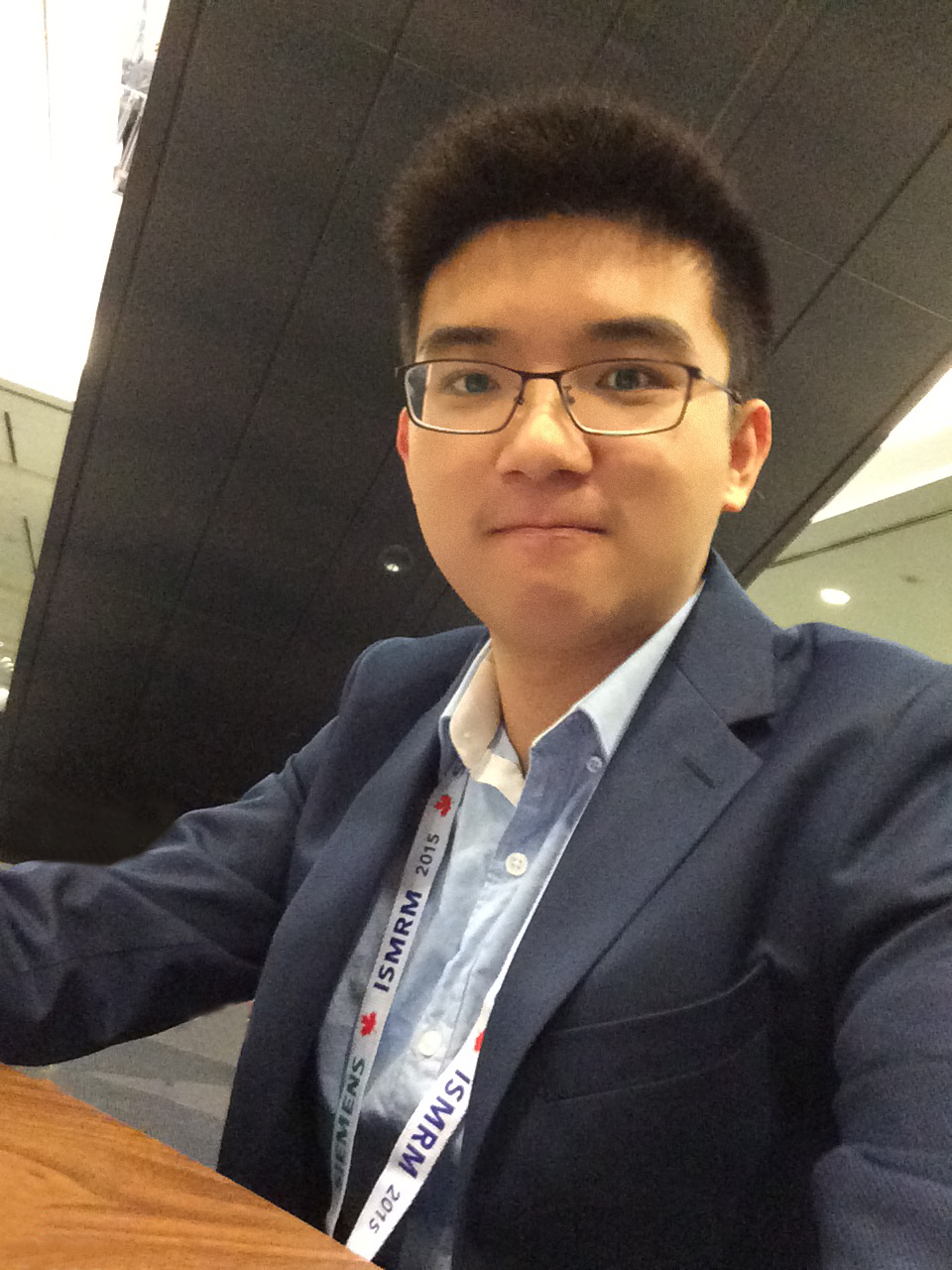
Profile
I am Director, Digital & Imaging AI Lead in Pfizer’s Digital Medicine & Translational Imaging group within Translational Clinical Sciences, R&D. My work sits at the intersection of medical imaging, machine learning, and drug development, advancing innovative approaches to clinical decision-making.
Background
My training spans chemistry, computer science, and biomedical imaging. I received a Bachelor’s degree in Chemistry from Nankai University, a Master’s degree in Computer Science from Georgia Institute of Technology, and a PhD from Washington University in St. Louis. My PhD thesis focused on cancer imaging:
During my PhD, I also interned at Schlumberger, where my research focused on spin-physics simulation and virtual prototyping for oil well logging.
After my PhD, I conducted postdoctoral research in cardiovascular imaging at Beth Israel Deaconess Medical Center and Harvard Medical School. Before joining Pfizer in 2019, I worked at Invicro, now Perceptive as a study director, supporting imaging programs for pharma and biotech clients.
Current Work
At Pfizer, I lead the development, validation/qualification, and deployment of AI-based imaging and digital solutions across therapeutic areas. I enjoy building work that is both scientifically rigorous and practical enough to make a real difference in clinical development programs.
Selected projects:
- Automated echocardiography AI analysis system. This project won Pfizer’s Breakthrough Science & Innovation Award in 2021, the highest honor for an R&D colleague.
- AI-enhanced tumor response assessments in clinical trials, in collaboration with Vysioneer, to support earlier and more informed decision-making in oncology development.
- Deep learning biomarker for PD-(L)1 response prediction using routine CT scans, in collaboration with Onc.AI.
Consortia and Public-Private Partnerships
I also represent Pfizer in several public-private partnerships and consortia, including:
- ai.RECIST, an AI-based initiative for response evaluation criteria in solid tumors, a collaborative project led by Friends of Cancer Research with partners across pharma, regulatory agencies, and AI companies.
- SYNTHIA, a public-private partnership funded by the Innovative Health Initiative in the EU to advance personalized medicine through synthetic data.
- Mucosal Healing in Ulcerative Colitis, a Biomarkers Consortium led by The Foundation for the National Institutes of Health to define best practices for measuring mucosal healing, including machine learning-based scoring approaches for clinical trials, regulatory submissions, and clinical practice.